
CINAR Workshops
CINAR workshops provide an opportunity for CINAR scientists and their NOAA partners to initiate scientific research on a particular topic, advance research in emerging and interdisciplinary fields, and/or create a community of practice for a new idea. The workshops bring together CINAR investigators and NOAA scientists in a particular field and create a forum for discussion, collaboration, and knowledge exchange. Workshops are related to CINAR research themes, or advance education, and workforce training and development. Workshops that include social sciences topics are welcome and encouraged.
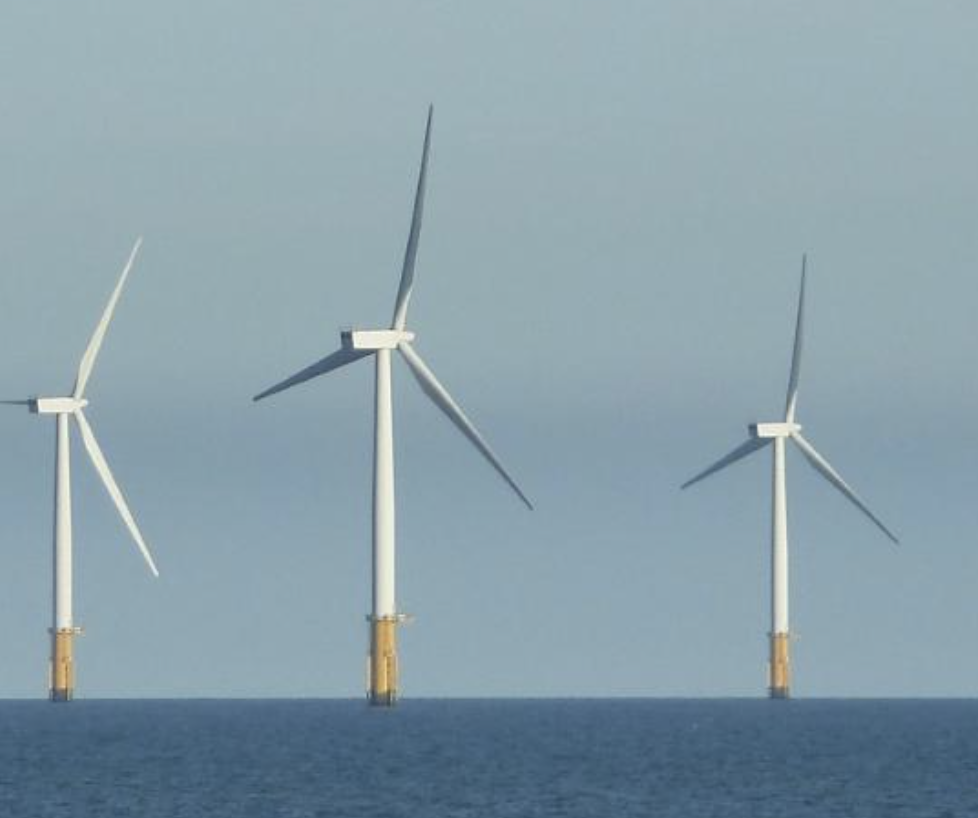
Advancing and Initiating Socioeconomic Research on the Impacts of Offshore Wind Development in the Northeast
CINAR Investigator: Kanae Tokunaga and Hannah MacDonald, Gulf of Maine Research Institute
The Gulf of Maine Research Institute hosted a hybrid 1.5-day workshop on January 10 and 11, 2024. The workshop was attended by over 30 researchers representing 5 CINAR institutions (U Maine, GMRI, WHOI, URI, UMCES-CBL), other academic institutions (UNH, Colby College, Northeastern U Roux Institute, VIMS), federal and state agencies (BOEM, NOAA NEFSC, Maine Governor’s Energy Office, Maine DMR, DFO Canada), and Sea Grant (ME, NH, RI). Academic expertise represented at the workshop includes economics, environmental sociology, anthropology, human-data interaction, and computer science. The workshop featured presentations on full-spectrum sustainability concepts, updates on previous and ongoing socioeconomic research, and current BOEM and IEA activities, and panel discussions to explore knowledge gaps and future research opportunities to support the process of offshore wind development.
Read more about this workshop here.
Seafood, Food Systems, Equity Nexus Workshop
CINAR Investigator: Joshua Stoll, University of Maine
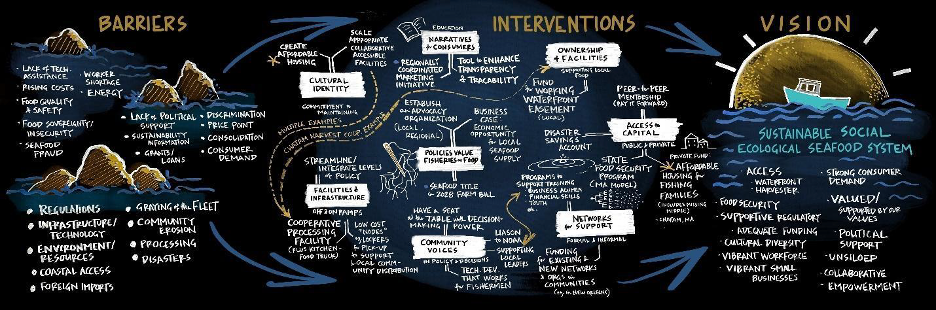
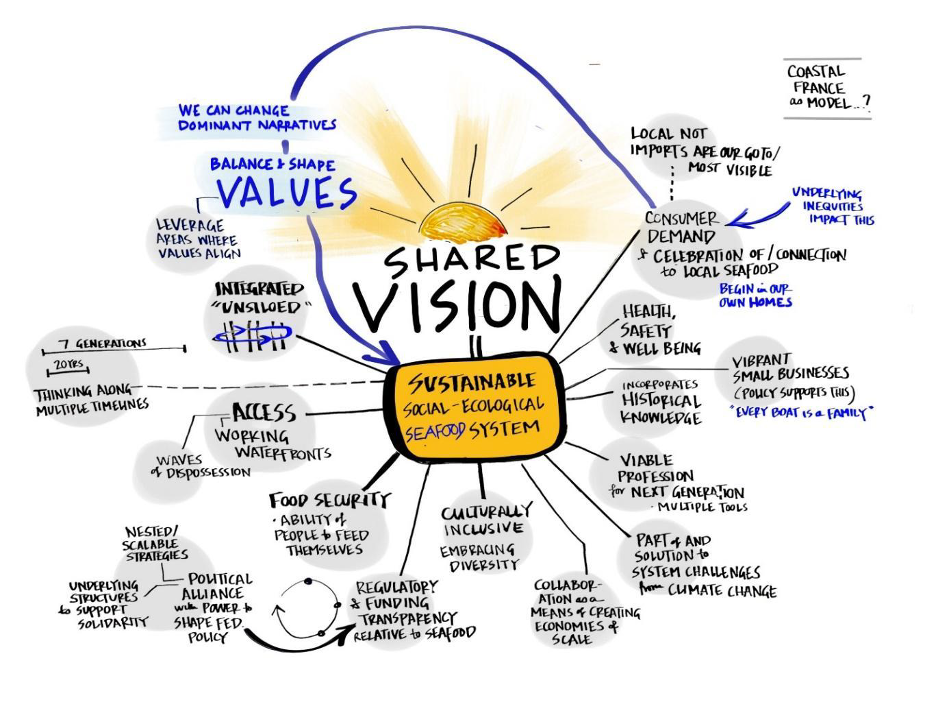
In May 2024, a diverse group of fishermen, chefs, seafood processors, members of fishery associations, federal agency members, foundation representatives, and other stakeholders involved in local and regional seafood systems in the U.S.2 convened in Portland, Maine for this two-day workshop. This workshop was organized by the University of Maine, with funding from NOAA Fisheries and the Builders Initiative with facilitation support from Meridian Institute and graphic facilitator, Marsha Dunn. Workshop objectives included:
1. Affirm challenges and barriers to building vibrant local and regional seafood systems;
2. Foster understanding of what others are doing and promote knowledge sharing and collaboration; and
3. Identify integrated pathways for strengthening local and regional seafood systems.
Read more about this workshop here.
Defining Biological Reference Points in a Dynamic Northeast U.S. Marine Environment Workshop
CINAR Investigator: Lisa Kerr, University of Maine
This workshop was held in person (New Bedford, MA) and virtually January 8-9, 2024. The 78 participants in the workshop included stock assessment, ecosystem, and social scientists from the NOAA Northeast Fisheries Science Center (NEFSC), staff and Scientific and Statistical Committee (SSC) members from the New England Fisheries Management Council (NEFMC) and Mid-Atlantic Fisheries Management Council (MAFMC), as well as regional experts actively engaged in stock assessment and ecosystem science.
This workshop generated a report summarizing the content of the workshop, including contributions from workshop participants and consensus recommendations. Workshop recommendations focused on when and how to revise reference points with specific action items identified as possible next steps to address these issues within the region.
Read more about this workshop here.
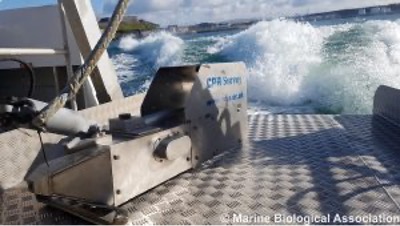
Continuous Plankton Recorder (CPR) Workshop
CINAR Investigator: Rubao Ji, Woods Hole Oceanographic Institution
The 2025 CPR Workshop, a dynamic in-person 3-day event, was held on November 4-6, 2025 at Woods Hole Oceanographic Institution (Woods Hole, MA). This workshop brought together both newcomers and experienced users of CPR data. The CPR program uses a towed device to collect plankton samples on silk filters from ships of opportunity across the North Atlantic, Pacific, and other global waters, providing long-term high-taxonomic-resolution datasets on plankton abundances and ecosystem changes. This workshop was a research and training component of the NSF-supported CPR-BEAMS project, and provided a unique opportunity to build skills, foster collaboration, and share findings and ideas about the innovative use of CPR data. The workshop provided:
- A forum for discussing ideas, sharing findings and exploring approaches using CPR data.
- A hands-on training component to equip participants with skills in working with CPR data.
- Engaging discussions & collaboration opportunities with a diverse community of researchers.
- Support for early-career researchers and individuals to ensure broad participation in advancing CPR data science.
Read more about this workshop here.
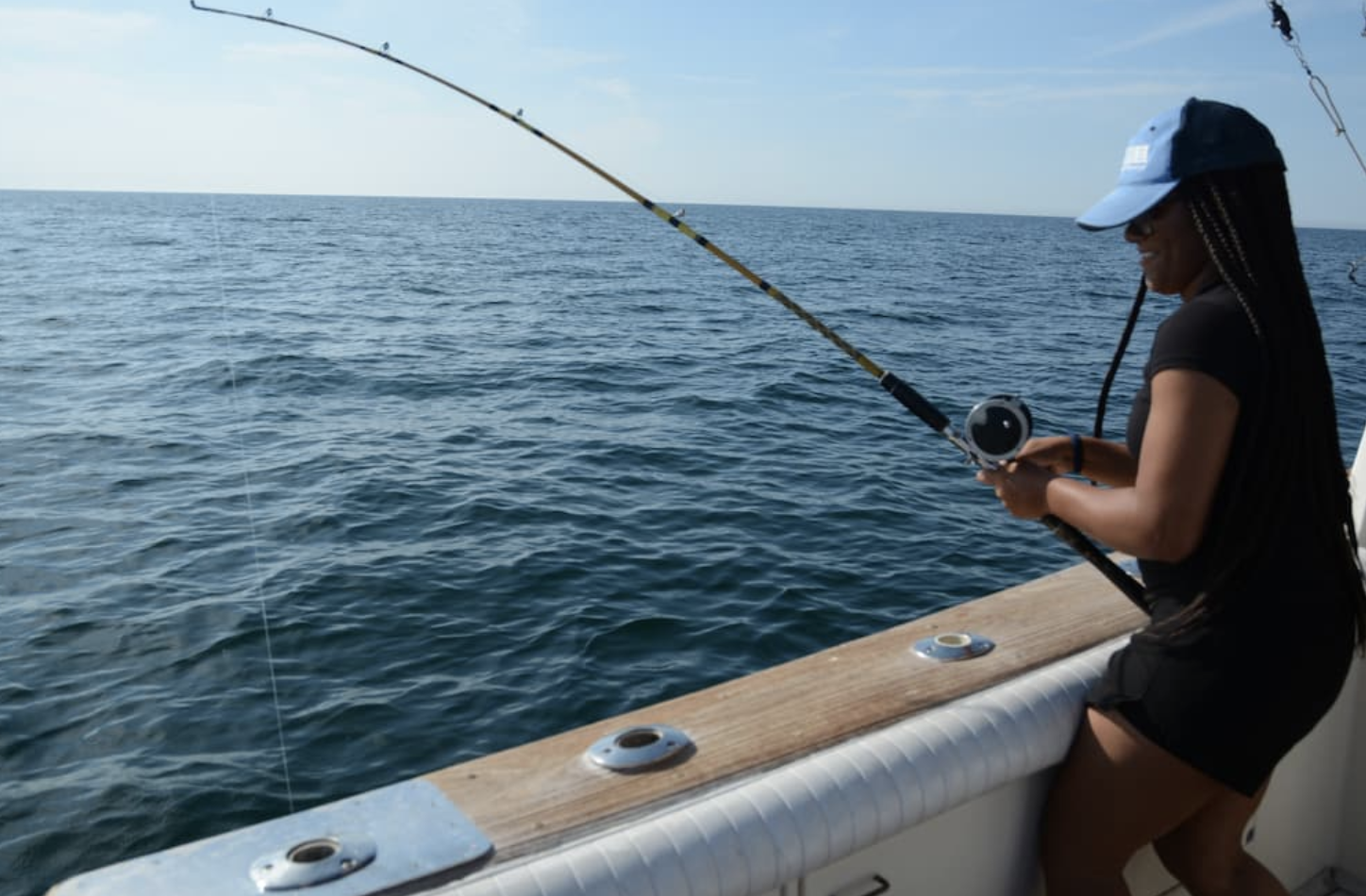
Recreational Fishing and Offshore Wind: Understanding Changing Behavior
CINAR Investigator: Todd Guilfoos, University of Rhode Island
Narragansett Bay Campus
This CINAR workshop, held on May 16, 2024, brought together researchers, regulators, recreational fishing organizations, technology developers, and offshore wind (OWE) stakeholders to identify data needs and strategies for understanding how offshore wind development influences recreational fishing. Supported by CINAR and Rhode Island Sea Grant, the meeting was part of a three-part series focused on establishing baseline information and long-term monitoring of recreational fishing behavior as offshore wind expands.
A central theme throughout the workshop was the need for better, standardized data to understand where, when, and why recreational anglers fish and how those patterns may change due to offshore wind development. Participants emphasized that changes in fishing behavior cannot be attributed solely to offshore wind, as other factors—including climate change, population shifts, and human behavior—also influence recreational fishing. Establishing reliable baseline conditions before development and monitoring changes during construction and operations were identified as essential.
Read more about this workshop here.
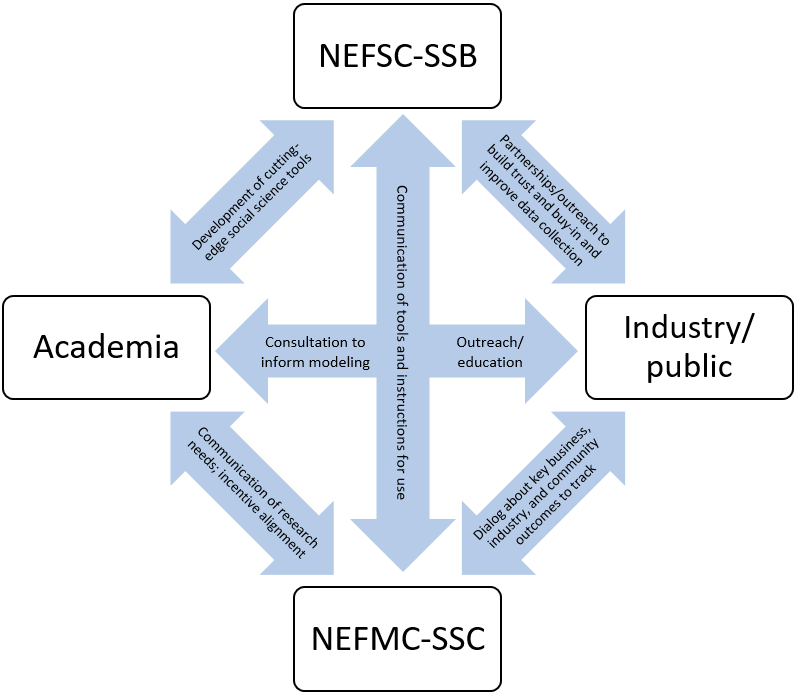
Implementing Social Science Methods for Fisheries Decision-Making
CINAR Investigator: Kevin St. Martin, Rutgers University
Adoption of social science data and methods in fisheries management is increasingly critical in light of renewed focus on clarifying fishery management goals and risk tolerance; increased calls at the local, regional and national level to enhance consideration of equity and environmental justice in fisheries management; potential revisions of the Magnuson–Stevens Fishery Conservation and Management Act’s National Standards 4, 8, and 9; ongoing climate and industry shifts; and other developments. This CINAR-funded workshop was held May 16-17, 2024 in Woods Hole, MA to explore barriers to the use of social science in fisheries management decision processes and consider approaches to overcome these barriers. Building on previous efforts, this workshop focused on identifying:
1. specific barriers;
2. particular nuances of the New England region; and
3. concrete steps to operationalize solutions.
Workshop participants with advisory roles in the fisheries management process discussed challenges related to data infrastructures, data formats, understanding, communication, multi-objective management, and process/institutions.
Read more about this workshop here.

Advancing near-term ecological forecasting in the Northeast U.S. Large Marine Ecosystem: Synthesizing the state of the science, current challenges, and future opportunities
CINAR Investigator: Andrew Allyn, Gulf of Maine Research Institute
With: Katherine Mills and Janet Duffy-Anderson (Gulf of Maine Research Institute) and Vince Saba (NOAA Northeast Fisheries Science Center)
The Gulf of Maine Research Institute hosted a two-day hybrid workshop in Woods Hole, MA on February 25–26, 2025, to advance near-term ecological forecasting in the Northeast U.S. Large Marine Ecosystem (NES LME). The workshop drew approximately 20 in-person attendees and 5 remote participants from across CINAR institutions (University of Maine, Gulf of Maine Research Institute, University of Massachusetts Dartmouth, Woods Hole Oceanographic Institution, University of Rhode Island, Rutgers University, University of Maryland Center for Environmental Science), the NOAA Northeast Fisheries Science Center, and participants from other NOAA regions and universities who provided outside perspective. On day one, participants gave lightning talks on the current state of ecological forecasting in the region and then held breakout discussions on key challenges and opportunities. Day two then focused on use-case studies and then had participants begin outlining a peer-reviewed manuscript synthesizing the workshop's findings.
Read more about this workshop here.
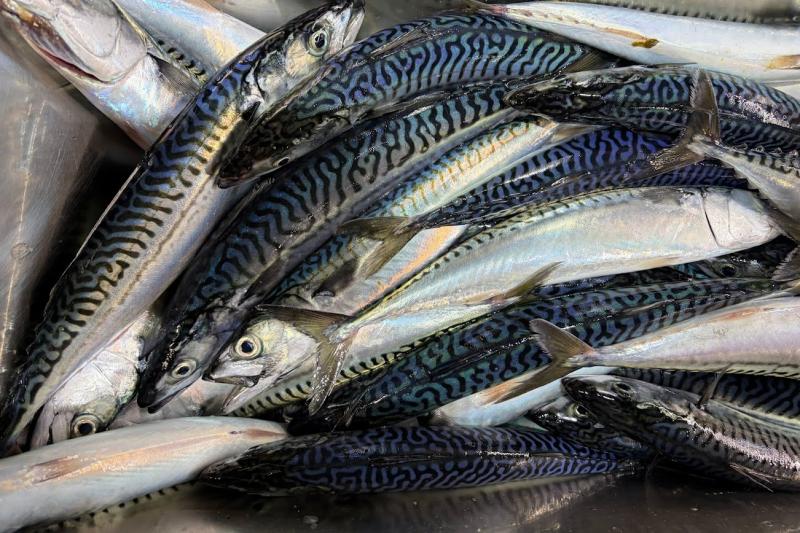
Synthesizing the State of the Science of Regime Shifts in the Northeast Shelf Marine Ecosystem
CINAR Investigator: Kathy Mills, Gulf of Maine Research Institute
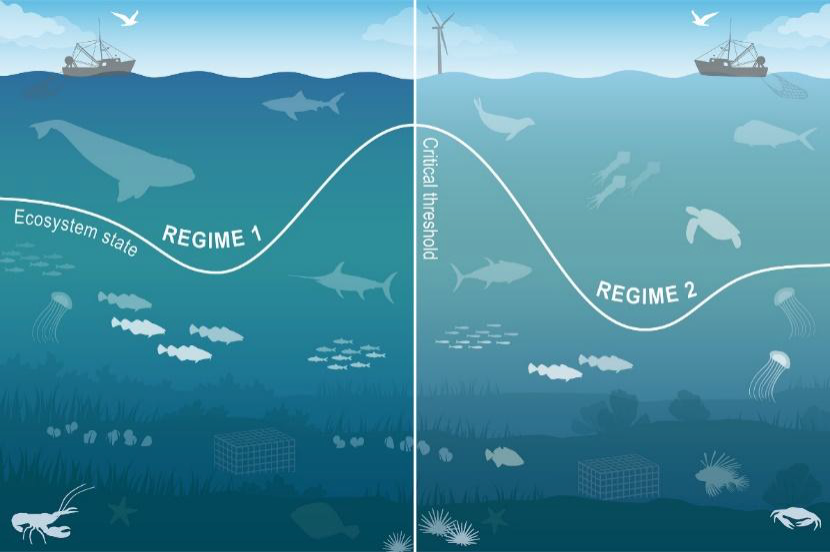
On May 2–3, 2024, a group of 47 scientists from NOAA Fisheries and CINAR partner institutions — including the Gulf of Maine Research Institute, University of Maine, Woods Hole Oceanographic Institution, University of Massachusetts-Dartmouth, University of Rhode Island, and Rutgers University — were hosted by the Northeast Fisheries Science Center (Woods Hole, MA) to synthesize the state of the science on regime shifts in the Northeast Shelf marine ecosystem. Regime shifts are characterized by large, abrupt, and persistent changes across multiple levels of marine ecosystems, thereby altering their structure, function, and services. The Northeast Shelf experienced oceanographic and ecosystem changes in the 1990s and 2010s that may constitute regime shifts. This workshop brought together experts with knowledge across the full ecosystem—from oceanography to upper trophic levels to fisheries—to accomplish five objectives:
- Consolidate existing understanding of the nature, timing, and potential drivers of changes across multiple levels and processes in the Northeast Shelf ecosystem
- Refine conceptual models of drivers, changes, and non-stationary relationships associated with regime-like dynamics
- Identify regional time series for assessing regime shifts and testing conceptual models
- Consider approaches for presenting regime shifts in the Northeast regional State of the Ecosystem reports and incorporating them into fisheries management
- Identify potential future research collaborations or networking opportunities.